
The History of Land Ownership in Boerne, Texas: From Frontier Roots to Modern Growth


Introduction: Why Boerne’s Land History Still Matters Today
Boerne, Texas is more than a fast-growing Hill Country destination—it’s a place with deep historical roots that continue to shape land ownership, property rights, and real estate transactions today.
Understanding the history of land in Boerne, Texas can help property owners, buyers, and investors avoid costly mistakes—especially when dealing with boundary disputes, easements, or inherited property.
If you're buying or selling land in the area, working with a Walter Law, PLLC can help ensure your rights are protected from day one.
Early Land Origins: Spanish and Mexican Land Grants: History of land in Boerne, Texas
Before Boerne became what it is today, the land was part of Spanish and later Mexican territories. During this time, large tracts of land were granted to settlers to encourage development.
These early land grants often:
Had vague or inconsistent boundary descriptions
Relied on natural landmarks like rivers or trees
Created overlapping claims that still surface today
This is why title searches and surveys are critical in Boerne real estate transactions. Learn more about protecting your property rights through our Real Estate Law services.
German Settlement and the Founding of Boerne (1840s–1850s)
Boerne’s identity truly began with German immigrants in the mid-1800s, many of whom were part of the Adelsverein (German Emigration Company).
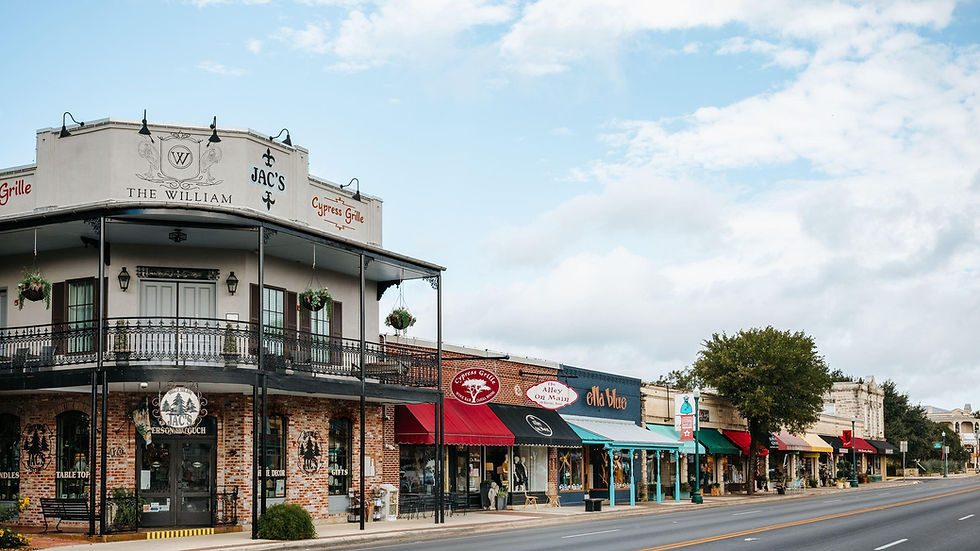
These settlers:
Purchased and divided land into smaller parcels
Established farms, ranches, and townsites
Introduced structured land ownership practices
You can explore more about this era through the Texas State Historical Association, which documents early Boerne settlement history.
Ranching, Agriculture, and Land Use Evolution
For decades, land in Boerne was primarily used for:
Cattle ranching
Farming
Homesteading
Over time, large ranches were passed down through generations—often without formal estate planning.
This is where legal issues still arise today:
Heirship disputes
Unclear ownership interests
Probate complications
If you’ve inherited land in Kendall County, it’s critical to understand the probate process. Check out our guide on Probate in Texas and how it affects land ownership.
For additional legal background, see resources from Texas Law Help.
Modern Development: Boerne’s Real Estate Boom
Today, Boerne is one of the fastest-growing areas in the Texas Hill Country, attracting:
Residential developments
Commercial expansion
Luxury ranch subdivisions
But with growth comes complexity:
Easements and access rights
Zoning and land use restrictions
Title defects from historical ownership
The Kendall County Appraisal District provides property data and valuation insights that are helpful when evaluating land in Boerne.
How Boerne’s Land History Affects You Today
Even in modern transactions, historical land issues can still impact property owners:
Old surveys may conflict with modern measurements.
2. Title Defects
Historic transfers may not have been properly recorded.
3. Heirship Issues
Land passed down informally can create multiple ownership claims.
4. Easements and Access Rights
Older agreements may still legally bind the property.
These issues often surface after closing—which is why legal guidance is critical before you sign a contract.
Protecting Your Investment in Boerne Real Estate
Whether you’re:
Buying land
Selling property
Inheriting family land
Understanding Boerne’s land history is only part of the equation. The other part is making sure your transaction is legally sound.
At Walter Law, PLLC, we help clients:
Review real estate contracts
Resolve title issues
Handle probate involving land
Protect property rights in disputes
Call to Action: Don’t Let History Become a Legal Problem
Boerne’s land tells a story—but that story can come with legal complications if you’re not careful.
Before you buy, sell, or inherit property, make sure you understand what comes with it.
Visit our Real Estate Law page to learn more. Or contact us today to protect your investment.


Comments